
Las Vegas Hard Water: A Practical Water Heater Maintenance Guide
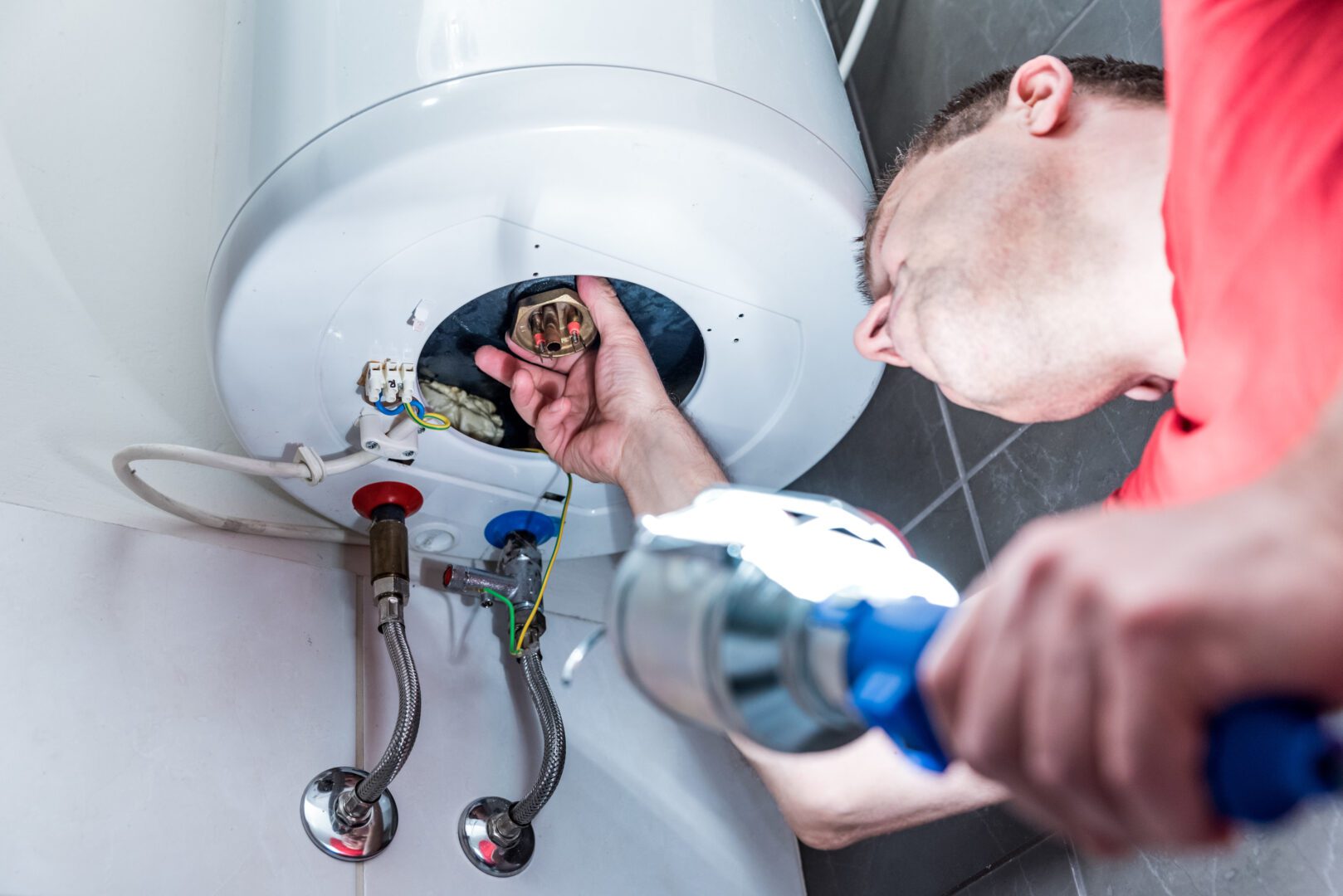
For homeowners in the Las Vegas Valley, particularly those in Henderson, Green Valley, and Summerlin, the desert climate offers bright skies and warm temperatures. Unfortunately, our water quality comes with a hidden cost: it is notoriously hard. Las Vegas water is rich in dissolved mineral content, specifically calcium and magnesium, which puts continuous stress on your home’s plumbing system.
Of all the major appliances in your home, your water heater is especially affected by mineral buildup. Regular maintenance is worth planning for. At DMS Plumbing, we understand the specific challenges of Southern Nevada’s water chemistry. We specialize in reliable, scheduled water heater maintenance that can help extend the life of your unit and keep it running efficiently.
This guide explains how Las Vegas hard water affects water heaters and why maintenance frequency should be based on the equipment, water conditions, usage, and manufacturer recommendations.
How Hard Water Affects a Water Heater
When hard water is heated, the minerals precipitate out of the water and solidify. This process, known as scaling, can affect a water heater in several ways:
The Sediment Layer and Reduced Efficiency
Some of the calcium and magnesium settles at the bottom of the tank as sediment. In a gas water heater, the burner sits below the tank, so sediment on the tank bottom sits between the flame and the water. In an electric water heater, scale can also form on the heating elements inside the tank.
- Higher Energy Bills: Heat has to pass through that layer before it reaches the water, so the heater may run longer to deliver the same hot water. Heavy buildup can reduce efficiency and may raise utility costs.
- The “Kettle” Noise: If you hear popping, rumbling, or banging coming from your water heater, that sound is often water trapped under sediment heating up and escaping as bubbles. It is a sign of sediment buildup and a good reason to have the tank checked.
Effects on the Tank Over Time
Over time, sediment, heat and normal wear can affect the tank’s protective lining. Where the lining is damaged, the steel underneath can begin to corrode, leading to:
- Corrosion: Once the steel is exposed, rust begins to form. Since the damage is hidden inside the tank, the first sign you often see is water at the tank’s base. A leak from the tank itself usually means replacement.
- Warranty Requirements: Some manufacturer warranties include maintenance requirements. Review the instructions and warranty for your specific equipment before selecting a maintenance schedule.
Anode Rod Inspection and Replacement
While flushing clears the bottom of the tank, the anode rod is the silent sentinel that protects the tank walls from corrosion. Often called the “sacrificial rod,” it is a steel core wire surrounded by magnesium or aluminum.
Why the Anode Rod is Vital in Hard Water
The anode rod is designed to corrode in place of exposed steel inside the tank, which helps protect the tank lining. How quickly it wears depends on water conditions, usage and the rod itself, so follow the inspection guidance in your unit’s manual.
- Signs of Failure: A depleted anode rod can lead to rusty or discolored hot water or, conversely, a “rotten egg” (sulfur) smell caused by a reaction between the rod and sulfate-reducing bacteria.
- Our Proactive Approach: As part of our water heater services, we explain what we find and what the unit needs. Anode inspection and replacement guidance varies by water-heater model. Follow the instructions in your unit’s manufacturer manual, and have a qualified technician assess whether replacement is needed.
Installation Requirements When Replacing a Water Heater
When a water heater is replaced, the installation must meet the code adopted by the local jurisdiction and the manufacturer’s instructions. Exact requirements depend on the jurisdiction, the type of equipment and where it is installed. Common items include:
- Seismic Strapping: Water heaters are generally required to be strapped to the wall framing to resist tipping during seismic events; the number and placement of straps follow the local code.
- Drainage Pan: A drain pan is typically required where a leak could cause damage, such as in an attic or on an upper floor, and is piped to an approved location.
- T&P Valve Discharge: The Temperature and Pressure Relief (T&P) valve discharge pipe must be installed as required by the local code and the manufacturer’s instructions.
- Expansion Tank: In a closed system, such as one with a backflow preventer or check valve, a properly sized thermal expansion tank may be required to control pressure from heated water.
DMS Plumbing installs replacements to the applicable code, including a sediment trap (drip leg) on the gas supply line where required.
Reliable, Scheduled Service for a Longer Lifespan
At DMS Plumbing, we believe in proactive, high-quality service, not rushed, temporary fixes. You deserve peace of mind knowing your essential appliances are maintained to handle the unique demands of the Las Vegas and Henderson environment.
If you notice popping or rumbling, rusty or discolored hot water, a sulfur smell, less hot water than usual, or water around the base of the tank, have the water heater checked by a licensed plumber.
DMS Plumbing LLC: Quality Service. Done Right. Scheduled for Your Convenience.
📞 Call (702) 353-7335 to schedule a professional maintenance appointment today.
Protect hot-water equipment from mineral buildup with professional water heater service and whole-home water softener options. Call (702) 353-7335 for residential or commercial service.